Wellbeing that works at 5 a.m.
Sessions, supervisors and schedules designed around the shift, not the desk.
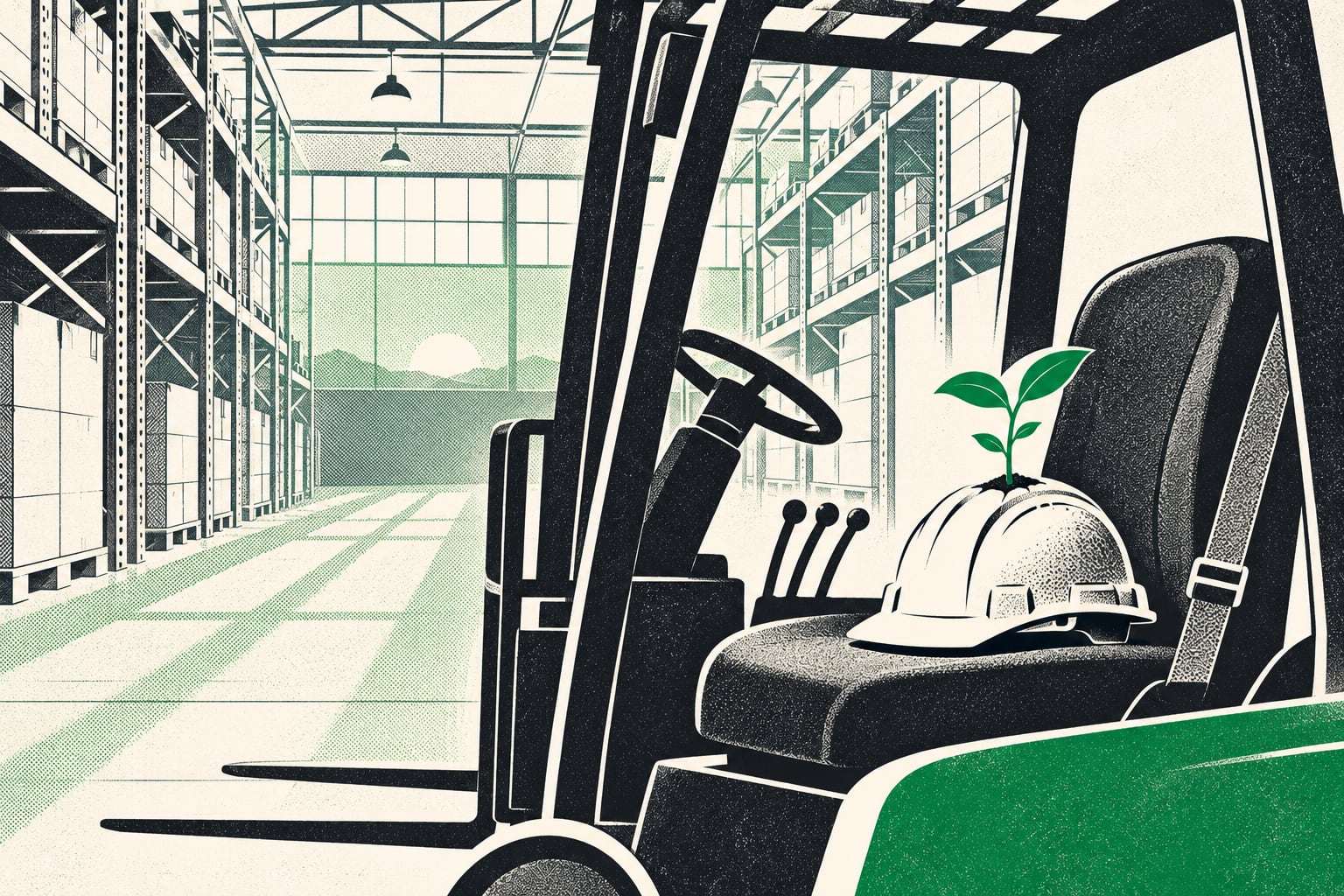
Most wellness programs are designed by people who work nine to five, for people who sit at desks. A nurse finishing nights, a picker on a 10-hour rotation or a line cook on a double cannot join a noon webinar. We start with your shift pattern and build the program around it.
What gets in the way
No time off the floor
Breaks are short and often skipped, and nobody can leave the line for an hour-long session.
Nights left out
Events happen at noon on a Tuesday, so night and weekend crews hear about them secondhand.
Supervisors in the middle
Leads promoted for their skill on the floor now handle people problems with no training for it.
Rotating rosters
Changing shifts, overtime and long commutes leave little room for sleep, family or a regular routine.
What works on the floor
Wellness Days
A Wellness Day for up to 100 people, repeated across the roster so day, swing and night crews get the same day, not the leftovers.
The Corner
Six sessions for up to 16 supervisors and leads, scheduled before or after their own shift, on check-ins, handovers and fair rosters.
Rounds and Recovery
Six weeks of recovery habits that fit a short break and a rotating roster, taught in the break room at shift change.
Financial Wellbeing
Three sessions with an Accredited Financial Counselor on budgeting around overtime and variable pay, with no products sold.
Ninety days on the floor
- Days 1 to 30
Walk every shift
We visit every shift, nights included, with a short survey on paper or by phone. Supervisors join listening sessions in the break room.
- Days 31 to 60
Fix the basics first
Break cover, handovers and roster fairness come first. Supervisors start their Corner sessions, timed around shift change.
- Days 61 to 90
Sessions at shift change
Fifteen to thirty-minute sessions run at each shift change for every crew. A day-90 pulse tracks breaks taken and intent to stay.
Questions from frontline managers
Can you run sessions overnight?
Yes. Our coaches run sessions at 5 a.m., 11 p.m. or 3 a.m. if that is when your crews change over. Events run whenever your team does, including evenings, weekends and overnight shifts, and night crews get the same live session as day crews rather than a recording.
Should employees be paid for the time?
We recommend it, though the decision is yours. Our sessions for shift teams run 15 to 30 minutes so they fit inside paid time at the start or end of a shift. Asking people to stay after a 12-hour shift, unpaid, sends the opposite message to the one you intend.
What if many workers have no company email or laptop?
We plan for that from the first week. Surveys run on paper or by phone, sessions happen in person in break rooms and on the floor, and updates travel through supervisors, posters and team huddles rather than inboxes. Nobody needs a login or a desk to take part in any of it.
Is any of this physical training?
No. Frontline staff already spend the day on their feet. Any movement is optional, gentle and adapted for every ability, led by coaches with an NCCA-accredited certification. Most sessions cover recovery between shifts, sleep routines on rotating rosters, money and the conversations between supervisors and crews.
Can you work across several sites?
Yes. We run one program across several plants, warehouses or hospital units in Greater Louisville and Southern Indiana, and travel to Lexington, Cincinnati, Indianapolis and Nashville, with travel billed at cost. Each site gets sessions on its own shift pattern, and leadership gets one combined scorecard.
Tell us where your team is
A 30-minute call, a few honest questions, and a plain recommendation for your first 90 days.