A wellbeing strategy you can defend
One partner to diagnose, design, deliver and measure what changes.
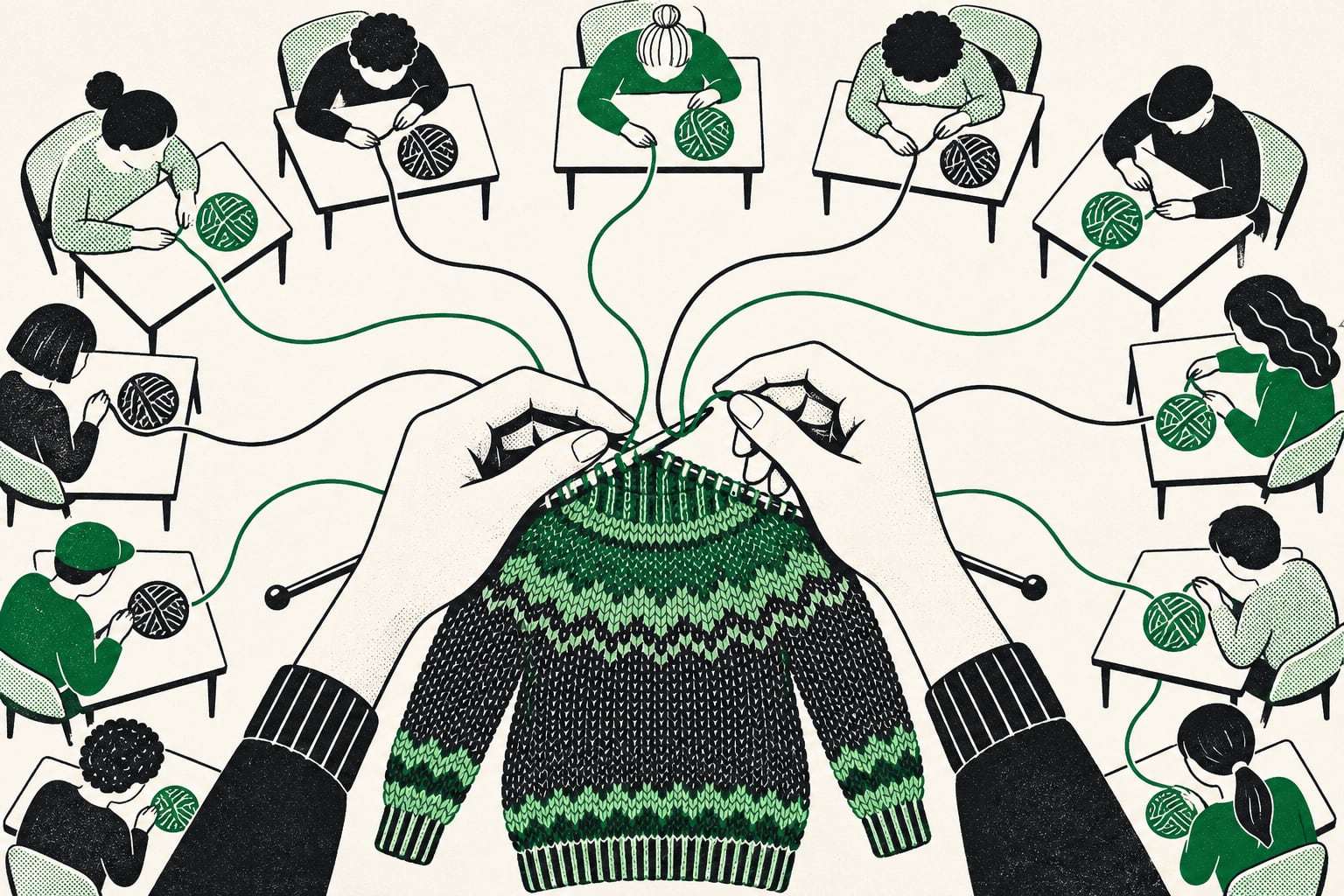
HR owns wellbeing on paper, but most of the levers sit elsewhere: workload with operations, manager habits with line leaders, the budget with finance. A strategy that holds gives each of them a part to play, and gives you the evidence to keep it funded next year.
Where HR strategies stall
Perks that change little
William Fleming’s 2024 Oxford study found people in individual wellbeing programs were no better off than non-participants on several measures.
Managers carrying the load
Gallup’s State of the Global Workplace report found manager engagement fell from 27% to 22% in 2025.
A board that wants numbers
Leadership asks what the spend achieved, and the current vendor reports only logins and attendance.
Too many vendors
An EAP, an app, a step challenge and a lunchtime speaker, each with its own contract and invoice.
Where we would start
Weigh-In Wellbeing Diagnostic
Four weeks of survey, listening sessions and your own HR data give you a baseline to show the board before larger spend is committed.
Corporate Wellness Consulting
A six-week strategy sprint turns the diagnostic into a written plan, a budget and a map of which current vendors to keep.
The Corner
Six sessions for a cohort of up to 16 managers, so the people who shape the working day can spot strain and respond to it.
Fight Camp
When you want one company-wide program instead of five separate perks, Fight Camp runs 12 weeks for up to 150 employees per cohort.
Your first 90 days
- Days 1 to 30
Baseline before budget
We run a short anonymous survey, three listening sessions and a read of your turnover, absence and EAP usage data. You get a plain summary with three to five priorities.
- Days 31 to 60
Game plan signed off
We draft the program, the scorecard and the budget with you, then walk your leadership team through it in one 60-minute meeting. Managers are briefed before employees hear anything.
- Days 61 to 90
First round goes live
Sessions and manager coaching start, scheduled around your busiest weeks. By day 90 you have a first pulse reading and a one-page update for the board.
Questions People leaders ask us
How is this different from our EAP?
Your EAP supports individuals who need confidential counseling; we work on the conditions that send people there, such as workload, manager habits, recovery and connection. We never provide therapy, and every coach is trained to refer employees to your EAP or to licensed clinicians when a conversation goes beyond our role.
Can you work alongside our benefits broker and current vendors?
Yes. During the weigh-in we list everything you already pay for, from the EAP to the wellbeing app, and the game plan says what to keep, what to connect and what to drop. Your broker can have a copy of the plan, so renewals and our program pull in the same direction.
What will I be able to show my board?
A scorecard agreed at the start and reviewed every quarter. It usually combines participation, pulse scores, manager practices and one HR measure you already track, such as turnover or absence. We report in aggregate only, never on groups under ten people, and we do not promise outcome figures in advance.
Does this line up with the Surgeon General’s framework?
Yes. The U.S. Surgeon General’s 2022 framework for workplace mental health names five essentials: Protection from Harm, Connection and Community, Work-Life Harmony, Mattering at Work, and Opportunity for Growth. We map weigh-in findings to those five, so your strategy can point to a public standard leadership will recognize.
How much time will it take from my HR team?
Plan on about two hours a week from one program lead, plus an executive sponsor who joins the game plan and scorecard meetings. We handle scheduling, coach briefings, room setup, materials and reporting. The point is to add capacity to your team, not to draw on what little it has left.
Tell us where your team is
A 30-minute call, a few honest questions, and a plain recommendation for your first 90 days.